
What we stand for

Cargoswift exists because critical cargo cannot wait in traffic. We design autonomous aerial freight systems that shorten delivery times, reach places roads cannot, and keep supply chains running — backed by software built with the same rigour we demand in the field.

Delivering faster than the road

When minutes matter, ground transport becomes the bottleneck. We move time-critical cargo through the air — directly, predictably, and without congestion.

Road networks were never designed for just-in-time logistics at scale. Accidents, rush-hour traffic, and infrastructure limits turn short routes into unpredictable delays — and for medical supplies, production parts, or perishable goods, that uncertainty has a real cost.

Our cargo UAV platforms are built for routes where aerial delivery removes the variable entirely. Point-to-point flight over congested corridors means transit times you can plan around, not hope for.

  • Shorter transit on high-demand urban and regional corridors
  • Schedules independent of road traffic conditions
  • Direct aerial links between hubs, vertiports, and delivery zones
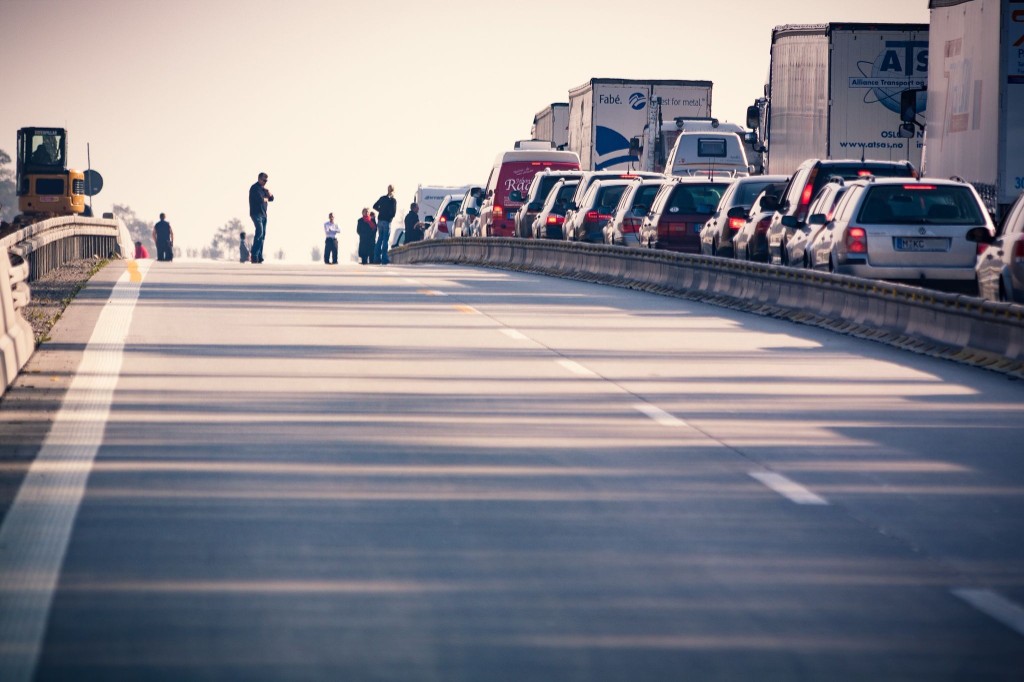
Highway traffic congestion
Ground congestion is the problem we designed Cargoswift to bypass.

Reaching places others cannot

Not every destination sits on a highway. We connect remote regions, islands, and hard-to-reach areas where conventional logistics simply stops.

Islands, mountain communities, industrial sites off the main network — these are not edge cases for us. They are exactly the kind of mission aerial cargo was made for. When a ferry schedule or a seasonal road is the only alternative, delivery windows stretch from hours to days.

Cargoswift extends the reach of supply chains into territories that trucks and vans struggle to serve reliably. Urgent medical kits, spare parts, or critical components can arrive on a timetable measured in flight time, not ferry departures.

  • Service for remote, island, and low-infrastructure regions
  • Reliable delivery when road access is limited or seasonal
  • Support for time-sensitive humanitarian and industrial supply
Aerial view of remote tropical islands
Aerial routes where ground logistics cannot keep pace.

Keeping supply chains moving

Modern logistics depends on flow — from warehouse dock to final destination. We bridge the gap between ground networks and the speed the air provides.

A supply chain is only as strong as its slowest link. Loading docks, distribution hubs, and last-mile handoffs all need to stay synchronised. When one stage stalls, inventory backs up, production lines wait, and costs compound.

Cargoswift integrates into existing logistics workflows — picking up where trucks lose time and handing off where ground transport takes over again. The result is a chain that moves continuously, even when demand spikes or routes change at short notice.

  • Seamless handoff between warehouse, aerial, and ground stages
  • Faster turnaround at distribution hubs under pressure
  • Inventory flow maintained when every hour counts
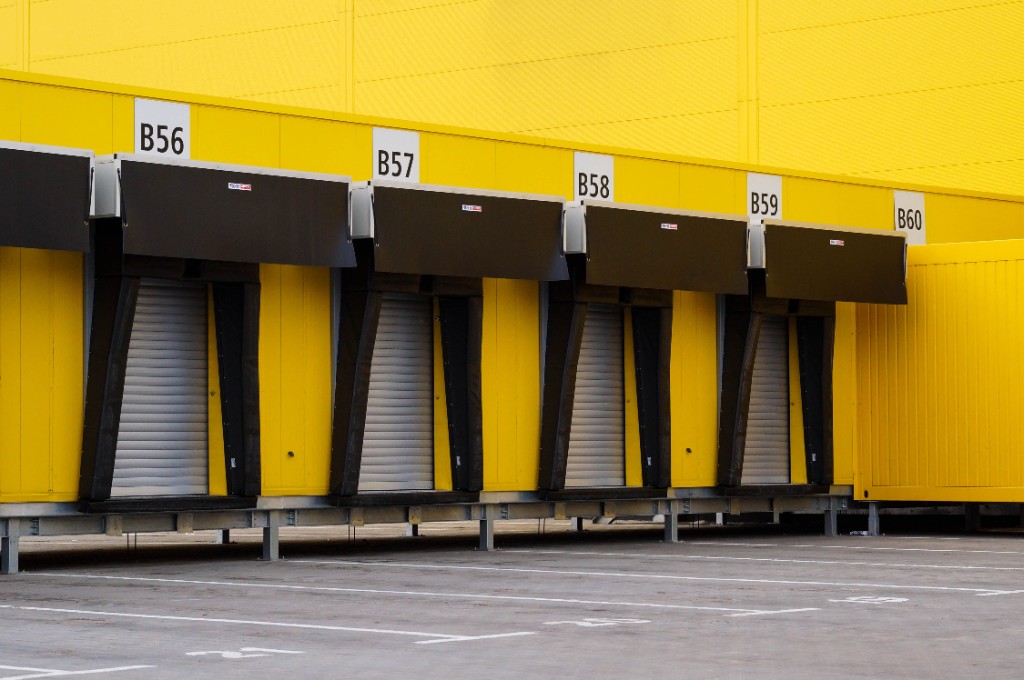
Warehouse loading docks
From loading dock to airborne — keeping the chain in motion.

Building the future of freight flight

Hardware alone does not fly a mission. Our engineers build the autonomous flight software, navigation intelligence, and mission systems that make every delivery safe, precise, and repeatable.

Autonomous flight software development

The shift from mechanical design to software development defines how Cargoswift operates today. Navigation, mission planning, obstacle awareness, and fleet coordination are developed in-house — tested iteratively and validated against real operational requirements.

As a student engineering team at CTU, we treat every flight system as a product: documented, versioned, and improved with each test cycle. That discipline is what turns a prototype aircraft into a platform ready for the field.

  • Autonomous navigation and mission planning software
  • Real-time fleet coordination and flight intelligence
  • Continuous testing from simulation to field operations

For us, the future of logistics is not stuck in traffic. It is already taking off.

Explore our platforms